Inflatable Boat, Kayak and SUP Repairs and Fittings: PVC Patches, D-Rings, Valves and Paddle Clips
How to repair and kit out a PVC inflatable boat, inflatable kayak or stand-up paddle board: PVC repair patches, how to glue on a D-ring patch, PVC versus Hypalon (CSM), replacement valves and valve adaptors for car tyre pumps, glue-on and clip-on paddle holders and oars – plus the NZ lifejacket rule from Maritime NZ.

In this guide
First check what your inflatable is made of: PVC patches and D-ring patches suit PVC boats, kayaks and boards; Hypalon (CSM) boats need patches and glue made for that material. Our patches don't include glue – use an adhesive made for your boat's fabric and follow its instructions, and let it cure fully before you inflate or load a D-ring. To inflate a SUP with a car tyre pump, use a valve adaptor for the push-in (H3-type) valve and stop at the pressure printed on the board. Everyone on a craft 6 m or under must wear a lifejacket when it's underway.
Inflatable dinghies, kayaks and paddle boards are everywhere in New Zealand summers – on lakes, harbours, rivers and off the back of the bach. They're tough, but a sharp oyster shell, a fish hook or a worn valve can stop a day out, and most owners eventually want an extra tie-down point or somewhere to clip a paddle. This guide covers the small repairs and fittings you can do yourself and how to choose the right parts.
PVC or Hypalon? Check before you buy
Patches and glue have to suit the fabric. Inflatable boats, kayaks and paddle boards are commonly made of PVC or Hypalon (CSM). Your boat's manual, the maker's label or the original repair kit usually tells you which. Our PVC repair patches and D-ring patches are PVC, so they suit PVC inflatables – for a Hypalon/CSM boat, use patches and glue made for that material.
Patching a small hole or tear
The PVC repair patches come as three sheets of about 15 × 10 cm in light grey, black or red. Cut each sheet with scissors so the patch overlaps the damage on all sides. Glue isn't included: use a PVC adhesive suited to your inflatable and follow its instructions for surface preparation, coats and drying time. As a general approach:
- Find the leak (soapy water over the tube shows bubbles), deflate the boat and mark the spot.
- Clean and dry the area around the damage, then prepare it as the adhesive's instructions say.
- Cut the patch to size, apply the adhesive as directed, press the patch down firmly and work out any air bubbles from the centre.
- Leave it to cure for the full time the adhesive maker gives before inflating.
A large tear, a split seam or damage near a valve is a job for a specialist inflatable repairer.
How to glue on a D-ring patch
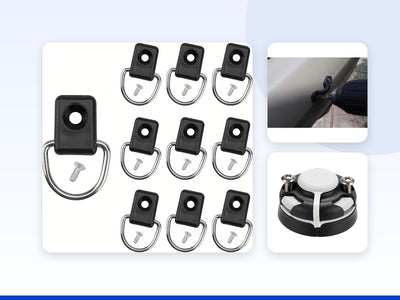
D-ring patches add tie-down points for a seat strap, dry bag, anchor line or a bungee deck lacing. Ours have a 6.5 cm round PVC base with a metal D-ring about 2.5 cm wide, in packs of 4 or 6 (blue, white or yellow), with or without a 3 m bungee cord for deck lacing.
- Plan the position on a flat, clean part of the tube or deck, away from seams and valves, and mark around the patch with the boat inflated.
- Deflate the boat (or partly deflate, as your adhesive's instructions say) so the surface lies flat.
- Prepare and glue both the boat surface and the patch base following the PVC adhesive's instructions.
- Press down firmly from the centre outwards so there are no air pockets or lifted edges.
- Cure fully before you inflate or put any load on the D-ring – the product page is clear on that.
For a hard-shell kayak, screw-on D-ring mounts are the right part instead – see our kayak fittings and rigging guide.
Valves, valve adaptors and inflating with a car pump
- Car tyre pump to SUP or kayak: the SUP and kayak air valve adaptor twists into the common push-in valve and gives it a brass Schrader (car-tyre) inlet, so you can top up with a 12 V tyre inflator. The valve adaptor kit adds extra nozzles for other inflatables.
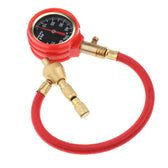
- Pressure: inflate only to the maximum pressure printed on your board or boat and watch the gauge – a car compressor can easily over-inflate, and the adaptor doesn't limit pressure. Our tyre inflator guide explains inflators with set-and-stop digital gauges.
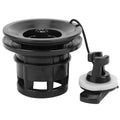
- Replacing a valve: a worn valve can be replaced with the three-part push-type air valve (inner base, outer body and tethered cap) or the 22 mm screw-cap valve, which fits a hole of about 22 mm (7/8 in). Measure or compare your old valve first, and follow your boat maker's guidance for changing it.
Oars, paddles and paddle clips
A dropped paddle drifts away fast. On an inflatable, a glue-on paddle clip patch (glued on like a D-ring patch) holds an oar or paddle shaft against the tube. Clip-on options need no glue: the strap-mount paddle clips wrap the shaft and hook onto a deck line or D-ring, and the paddle board paddle clips slide onto a board's deck bungees.
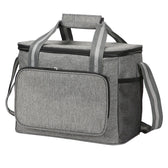
For spare or replacement oars, the take-apart aluminium boat oars are about 125 cm assembled, and the aluminium kayak and dinghy paddles come as a 125 cm pair or a 210 cm double-blade kayak paddle with a shaft of about 2.8 cm – check it suits your clips and oarlocks. A foldable carry bag (about 75 × 45 × 30 cm) keeps the deflated boat and its gear together.
Fittings at a glance
| Job | Part | Key size | Good to know |
|---|---|---|---|
| Small hole or tear | PVC repair patches | About 15 × 10 cm sheets | PVC boats only; glue not included |
| Add a tie-down | D-ring patches | 6.5 cm base, 2.5 cm ring | Cure fully before loading |
| Inflate with a car pump | Schrader valve adaptor | About 7.8 cm long | Stop at the board's printed pressure |
| Replace a valve | 22 mm screw-cap or 3-part push valve | 22 mm thread (screw-cap) | Compare with your old valve |
| Stow a paddle | Strap-mount or bungee paddle clips | Strap about 2.5 cm wide (strap clips) | No glue or drilling |
Before you head out
Everyone on board a recreational craft 6 metres or under must now wear a lifejacket when it's underway – the national rule applies from 9 October 2026 – and the skipper must carry the correct size of lifejacket for each person on board, whatever the size of the craft (Maritime NZ). Water Safety NZ recommends trying your lifejacket on before you leave and checking it for rips, tears and punctures and that the straps and buckles work (Water Safety NZ). It also suggests tethering your paddle so you don't lose it if you capsize (Water Safety NZ paddle guide). Carry at least two ways to call for help that work when wet (Maritime NZ). Some regional councils have extra rules, so check the bylaws where you paddle.
Sources: Maritime NZ: lifejackets; Maritime NZ: communications; Water Safety NZ: lifejackets; Water Safety NZ: kayaking and stand-up paddleboarding
Products in this guide


FAQs
Can I use PVC patches on a Hypalon boat?
No. PVC patches suit PVC inflatables. Hypalon (CSM) boats need patches and adhesive made for that material.
Is glue included with the patches?
No. Our PVC repair patches and D-ring patches are sold without glue – use an adhesive made for your boat's fabric and follow its instructions.
How long before I can use a glued D-ring?
Let the adhesive cure fully, as its instructions say, before you inflate the boat or put any load on the D-ring.
Can I pump up a paddle board with a car tyre inflator?
Yes, with a valve adaptor that gives the board's push-in valve a Schrader (car-tyre) inlet. Watch the gauge and stop at the maximum pressure printed on the board.
Do I have to wear a lifejacket on a kayak or paddle board?
Maritime NZ says everyone on a recreational craft 6 metres or under must wear a lifejacket when it's underway, nationally from 9 October 2026. Water Safety NZ notes an exemption for stand-up paddle board surfing, which applies only while surfing.
Shop boat accessories and hardware
Prices and stock change often – check the product page for current details.
Products in this guide
Everything mentioned above, with current prices. Open a product for full specs and fitment details.